


.svg)

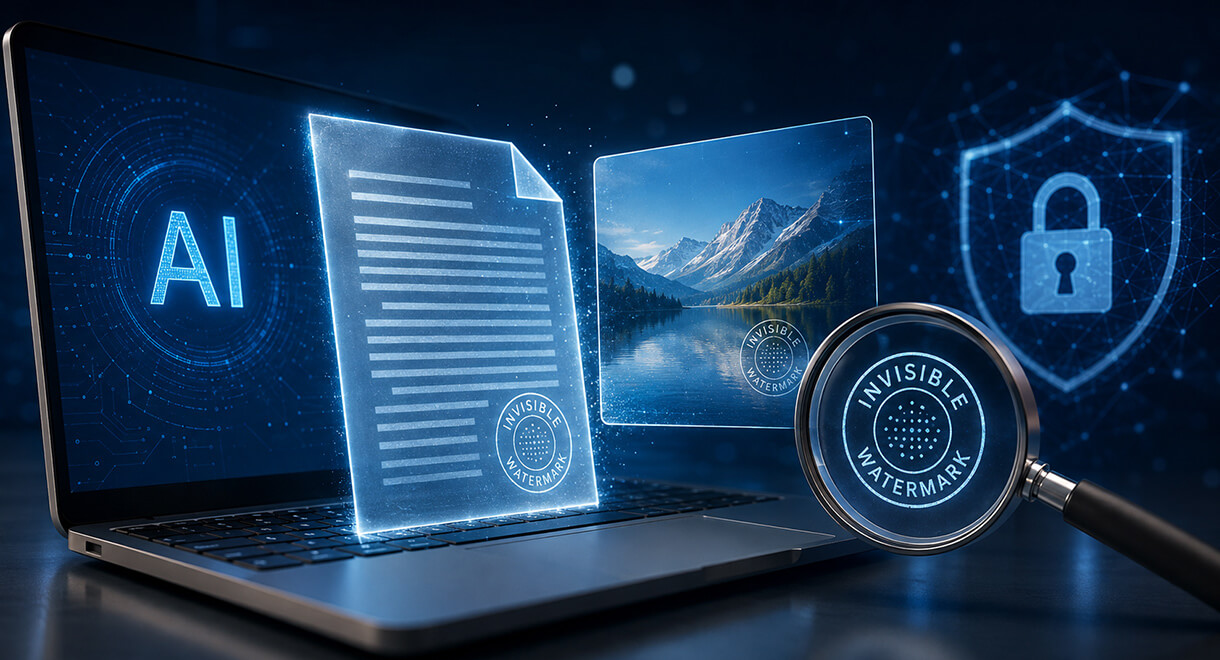

Anthropic has announced the significant step of introducing mandatory invisible watermarks across all new Claude models and products worldwide in an effort to bring the company into full compliance with transparency requirements in the European Union’s AI Act. This decision has sparked a lively discussion on the ethical use of AI for content creation and the best practices for attributing ownership.
Summary of the policy
Anthropic’s new policy will install invisible markers into every type of media Claude creates. Importantly, any written text will carry a hidden watermark, which travels with the content even when it is copied and pasted into new documents elsewhere. Images and other files will include digitally signed metadata that can help identify their AI origin.
This significant change is mandatory with no option for users to opt out, and it will apply globally to every Claude offering, including Claude Code and Claude Cowork.
Problems with the marking system

Anthropic has openly noted that the marking system is far from perfect. For example, heavy editing can strip the text watermark, while metadata will sometimes disappear if a file’s format changes, a screenshot is taken, or the content is altered in other ways. The company plans to release more technical details on how to detect the markers, but the practical impact of the technology is currently unknown.
Negative reaction to the announcement
The announcement quickly drew strong negative reactions on social media and from frequent Claude users everywhere. In particular, many users who rely on Claude purely for proofreading their own writing expressed frustration that their human-authored work could now carry the potential stigma of an AI label that does not accurately describe their self-created content. AI coders also expressed concern that cryptographic signatures might degrade code quality or complicate collaborative efforts.
Similar activities by other AI companies
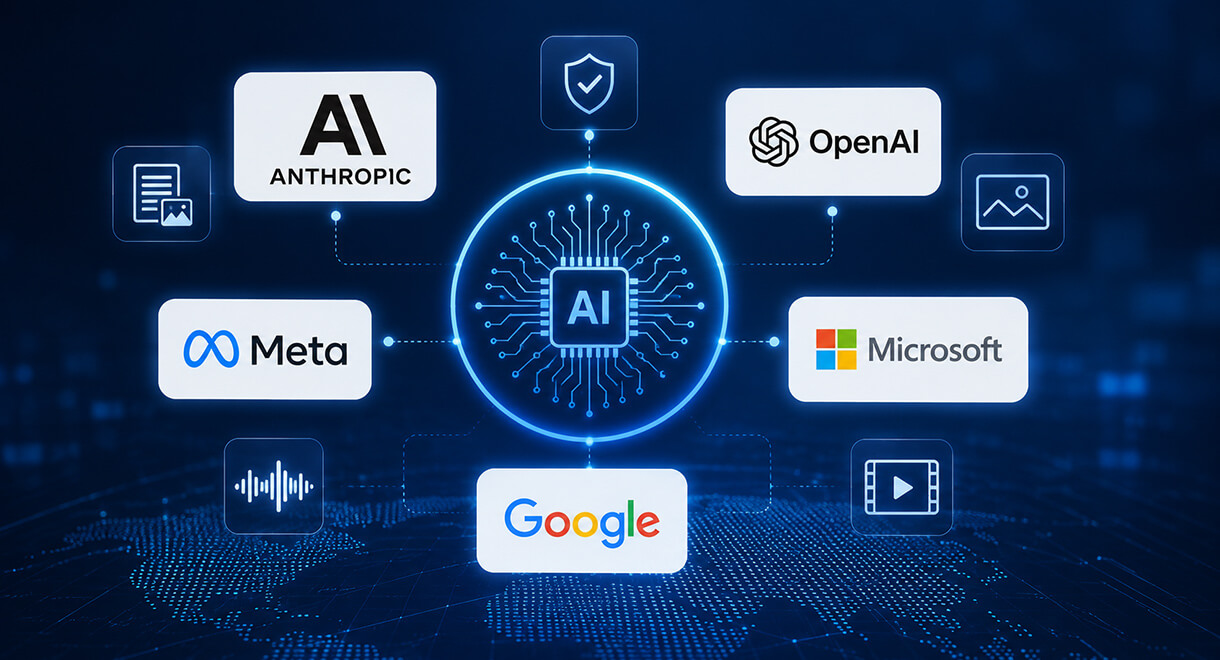
This pivotal development by Anthropic does not exist in isolation. The EU Code of Practice has already set clear expectations for labeling AI-generated and manipulated content, including deepfakes and altered text. By late July, nearly 200 companies had already signed on to support this effort, including Anthropic, Meta, Microsoft, and OpenAI. In addition, Google has been watermarking its AI-generated images since 2023 and has begun expanding this practice to text, audio, and video. OpenAI currently applies invisible watermarks to images and has long possessed the technology to do the same for text output from models like ChatGPT. However, the company stated that they have not deployed this process, although this may change after Anthropic’s announcement. AI observers note that there are ongoing internal debates at OpenAI and similar companies centering on the risks of false positives and easy circumvention. Leading AI companies share the concern that mandatory marking could push users toward other AI providers that require less stringent marking requirements.
What this change means for small businesses
For small businesses, any important AI changes must be recognized and reacted to carefully. AI tools are being increasingly used for a wide range of activities including marketing copy, customer emails, website content, internal documentation, and light coding tasks. Clear provenance of AI-generated material helps protect brand credibility, reduces the chance of accidental misrepresentation to clients or regulators, and prepares companies for transparency rules that are spreading beyond Europe. However, the problem of imperfect watermarks introduces real concerns. For example, legitimate hybrid content, where human writing is refined by AI or AI drafts are heavily rewritten by employees, could be flagged incorrectly and damage an organization’s reputation. Leadership teams will have to carefully decide when and how to disclose AI assistance, manage detection tools, and strive to keep their policies consistent across platforms.
Working with an AI expert is even more crucial for small businesses

In the face of this dramatic announcement by Anthropic, the importance of partnering with an AI-knowledgeable IT managed service provider becomes critical. An experienced IT MSP will assess how Claude and other generative tools fit into existing workflows, establish practical governance around watermarked content, advise on disclosure standards, and keep systems secure and compliant as regulations and detection methods continue to evolve.
A trusted IT partner like Network Depot will not leave small-business teams to navigate shifting technical and legal requirements alone. They will be with them every step of the way turning AI adoption into a controlled, competitive advantage with enhanced productivity. With the help of an experienced partner, small businesses will minimize compliance surprises and reputational risk while maximizing the usefulness of powerful AI tools.