




While you’re busy enjoying the season by carving pumpkins, bobbing for apples, and hunting for the perfect costume, take a minute to face something truly terrifying: the latest cybersecurity statistics that are keeping small businesses and nonprofits up at night.
AI is making cyberattacks more frequent and more effective, and small businesses and nonprofits are definitely feeling the pressure. The good news is that partnering with an experienced IT Support provider can close the most common gaps and significantly strengthen your defenses.
To better understand the cybersecurity challenges your organization faces, please take a moment to review this long list of eye-catching statistics and trends compiled by cybersecurity experts. The companies and organizations researching and reporting on these alarming statistics are as follows: FBI IC3, Verizon, IBM, Check Point, Cybersecurity Ventures, Sophos, Chainalysis, DeepStrike, Bright Defense, and Swiss Re.
Scary Cybersecurity Statistics and Trends
The massive scale of the threat

• The annual cost of worldwide cybercrime is projected at $10.5 trillion and is expected to continue climbing in the coming years. Security experts predict it will reach an estimated $12.2 trillion by 2031.
• U.S. cybercrime losses increased 26% to a record $21 billion over the last year.
• Recent data shows organizations faced an average of nearly 2,800 cyberattack attempts per week, with some months recording increases of nearly 50% year-over-year.
Ransomware & direct costs are hitting small organizations hard
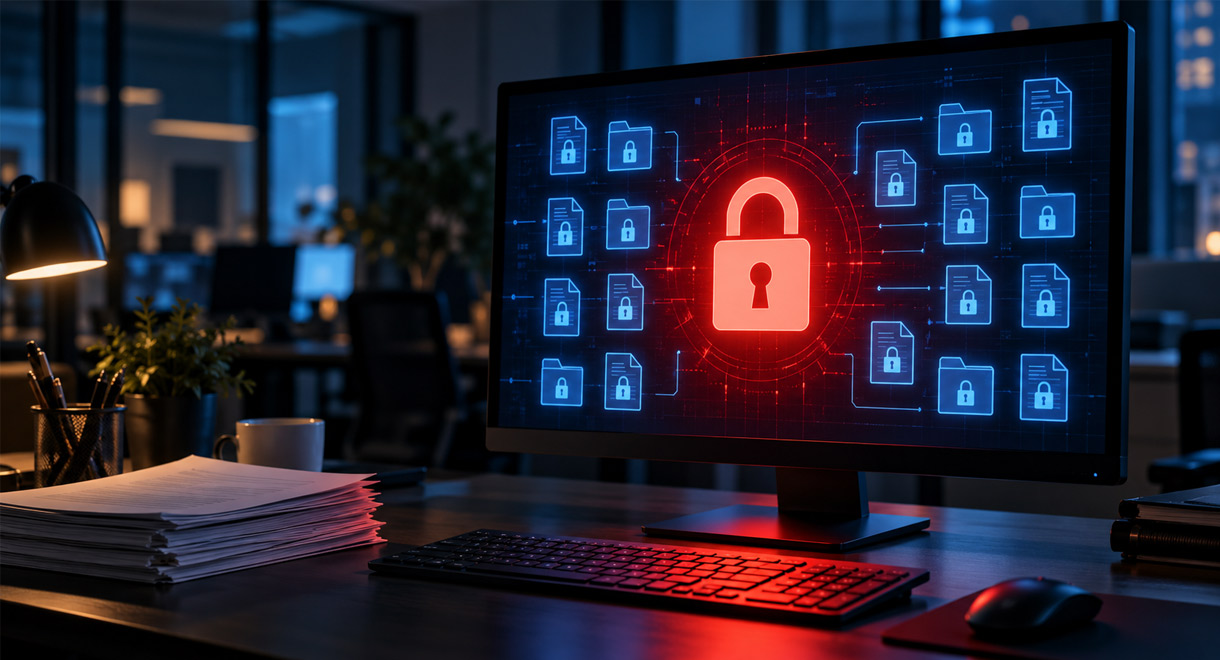
• Ransomware appeared in a staggering 88% of breaches at small and medium-sized businesses as bad actors increasingly turned their attention to perceived softer targets. Small businesses and nonprofits are frequent targets because attackers know many lack robust backups, dedicated security staff, or cyber insurance.
• Ransomware groups claimed a record number of victims over the last year with more than 7,400 companies affected. The FBI alone received 3,611 ransomware complaints last year with reported losses jumping sharply.
• The average cost to recover from a ransomware attack without the ransom amount has reached about $1.7 million overall. For small to mid-sized organizations, the recovery costs now average around $638,000 before any ransom is paid.
• Surveys show that up to 86% of small businesses experienced at least one cyber incident or breach in the past 12 months.
Data breach costs & recovery reality
• The average cost of a data breach stood at close to $5 million worldwide. U.S. organizations fared even worse with a record average cost of $10 million.
• The healthcare sector, which includes many nonprofits and community clinics, remains the industry suffering the most with an average cost of $7.5 million per breach.
• Organizations need an average of 241 days to identify and contain a data breach.
• In the U.S., more than 3,300 data incidents affected 278 million individuals over the past year.
Attackers are increasingly exploiting resource-limited teams
• The human element is at fault in more than 60% of breaches. Phishing and social engineering remain especially effective against preoccupied small teams and volunteer-heavy nonprofits. Security awareness training for employees continues to lag, resulting in more opportunities for bad actors.
• Cyber criminals are utilizing vulnerability exploitation as a leading initial access vector in up to 31% of breaches. Their efforts focus on frequently targeting edge devices and VPNs that many small organizations struggle to keep patched.
• Third-party involvement was exploited in up to 48% of breaches. Bad actors seek out poorly defended vendors and partners to gain access to better-protected networks. Nonprofits, in particular, that rely on shared platforms, donor systems, or outsourced services face elevated supply-chain risk.
• Business email compromise (BEC) has become a much more costly threat. These attacks generated more than $3 billion in reported U.S. losses over the last year and continue to hit small businesses hard through fake invoices and wire-transfer scams.
AI-Powered threats & preparedness gaps

• AI-powered phishing and social engineering are significantly more effective than traditional methods, with attackers increasingly using more convincing deepfakes. Recent reports show dramatic surges in AI-generated phishing volume. These sophisticated campaigns have achieved click rates as high as 54%, compared with just 12% for traditional phishing.
• Up to 97% of organizations experiencing AI-related incidents lack proper AI access controls. The problem of shadow AI, where employees use unauthorized AI tools, is adding substantial risk and cost.
• Adults aged 60 and over lost nearly $7.75 billion to cybercrime in the U.S. over the last year. This higher-risk age group is where many nonprofit donors and small-business clients fall. These individuals need more cybersecurity education and protection.
• Budgetary restrictions continue to negatively impact small organizations. Only an estimated 10% to 20% of small businesses carry cyber insurance, leaving the majority financially exposed to successful cyberattacks. Nonprofits often report even weaker cyber resilience and lower adoption of advanced security tools due to funding constraints. Many small organizations also lack tested incident response plans or mature defenses. These limitations make them easier targets for cybercriminals and the lack of cyber insurance makes the impact of successful attacks even worse.
Partner with an Experienced IT Support Team for Effective Cybersecurity

These cyber statistics are genuinely frightening, but they do not have to be the last word for your organization’s future. The majority of successful attacks against small businesses and nonprofits exploit basic gaps such as unpatched systems, weak or reused passwords, untested backups, limited staff training, and a lack of continuous monitoring. A trusted IT Support partner can close these common security gaps quickly and affordably.
A dependable partner such as Network Depot will comprehensively evaluate your current security posture, recommend and implement the right mix of tools and policies, train your team, continuously monitor your network, and will keep your defenses updated as threats evolve. Small businesses and nonprofits that partner with an experienced IT Support partner dramatically reduce their risk and can focus on their mission instead of worrying about the next cyber scare.
After taking these critical steps, be sure to experience the fun of the Halloween season! Enjoy the costumes, haunted houses, hayrides, and your favorite treats while knowing your organization’s network is much better protected.
Happy Halloween 2026!